Introduction
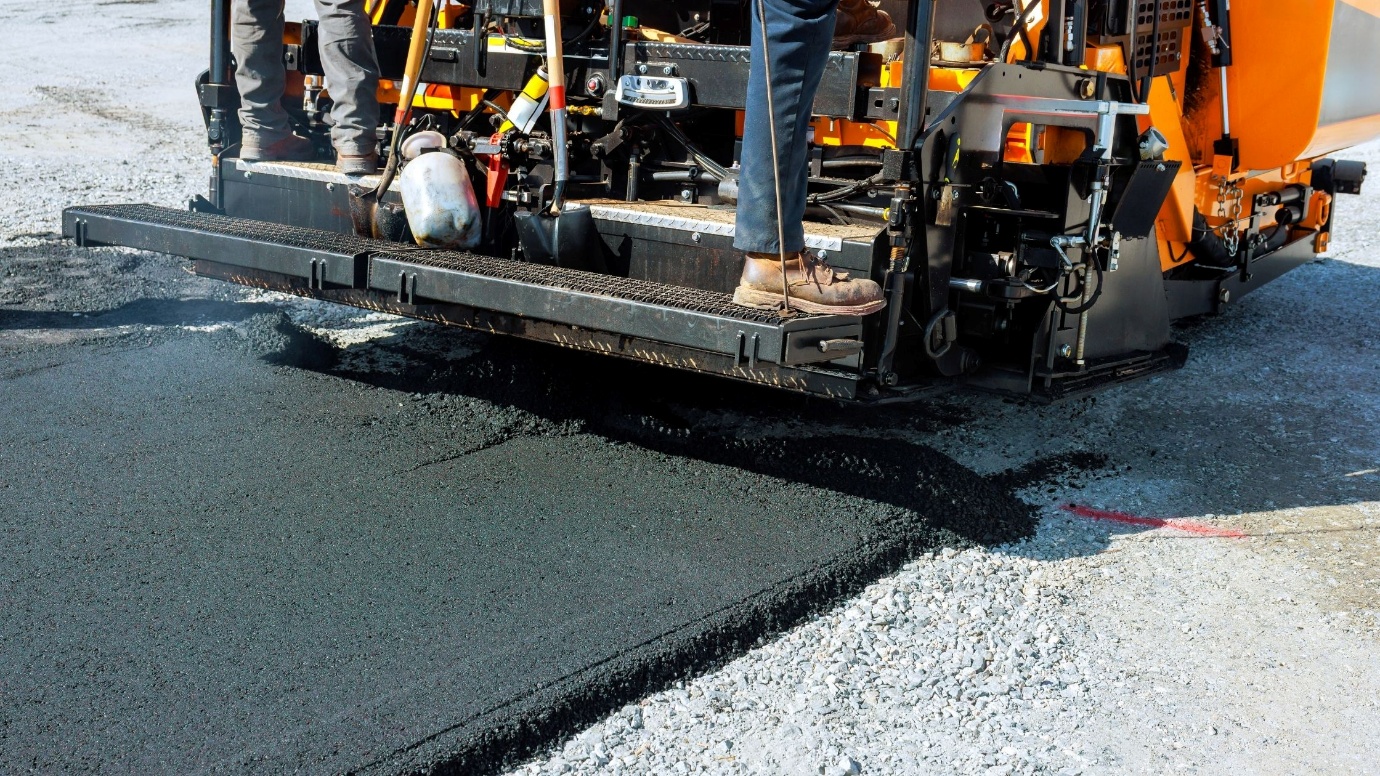
Pavement construction is one of the most essential aspects of infrastructure development. Whether it is highways, city roads, industrial yards, or internal society roads, pavement ensures smooth, safe, and durable transportation.
At Shreeyash Construction, we specialize in delivering high-quality road construction solutions across Navi Mumbai, Raigad, Thane, Pune, and Mumbai, using advanced techniques and modern machinery.
This blog will help you understand what pavement construction is, its types, components, and technical aspects in a simple yet professional way.
What is Pavement Construction?
Pavement construction refers to the process of designing, building, and maintaining a durable surface for vehicles and pedestrians. It involves multiple layers of materials placed over the natural soil, known as the subgrade, to distribute traffic loads effectively.
The main goal of pavement construction is to:
- Provide a smooth riding surface
- Ensure load distribution to underlying soil
- Increase durability and lifespan
- Enhance safety and drainage
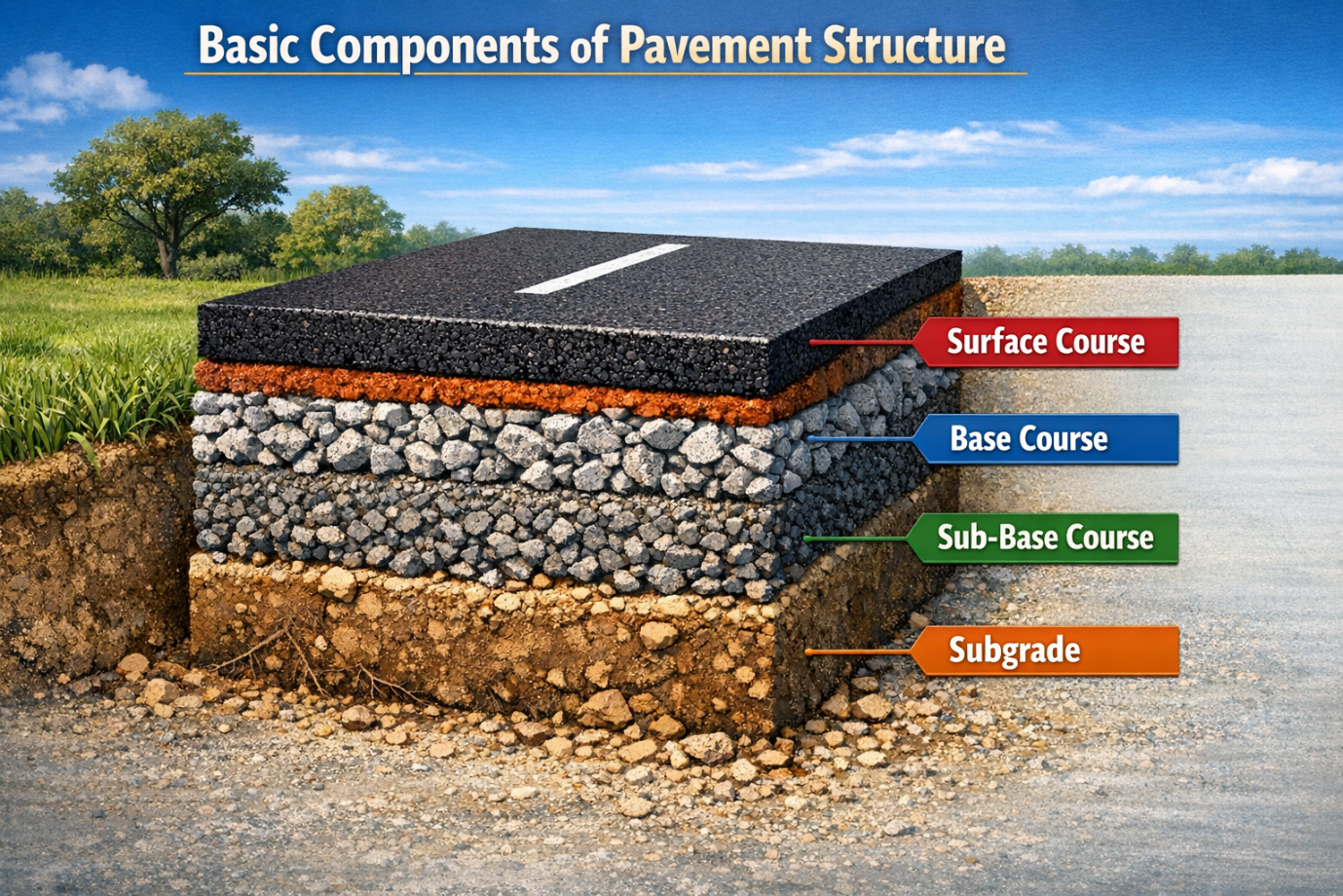
Basic Components of Pavement Structure
Every pavement is built in layers, and each layer has a specific function.
1. Subgrade
- The natural soil prepared to support the pavement
- Must be compacted properly
- Acts as the foundation
2. Sub-base Course
- A layer of granular material
- Provides drainage and load distribution
- Improves overall stability
3. Base Course
- Strong layer made of crushed stone or aggregates
- Handles heavy traffic loads
- Provides structural strength
4. Surface Course
- Topmost layer, usually asphalt or concrete
- Provides smoothness, skid resistance, and durability
Types of Pavement Construction
Flexible Pavement
Flexible pavement uses bitumen, or asphalt, as the binding material.
Features
- Flexible in nature
- Load is distributed layer by layer
- Easy to repair
Common Uses
- City roads
- Highways
- Parking areas
Rigid Pavement
Rigid pavement is constructed using cement concrete.
Features
- High strength and rigidity
- Load is distributed over a wider area
- Long lifespan of 20 to 30 years
Common Uses
- Industrial roads
- High-load areas
- Expressways
Composite Pavement
Composite pavement combines both flexible and rigid pavement systems.
Features
- Concrete base with asphalt surface
- Combines strength and flexibility
- Useful for heavy traffic roads

Technical Information in Pavement Construction
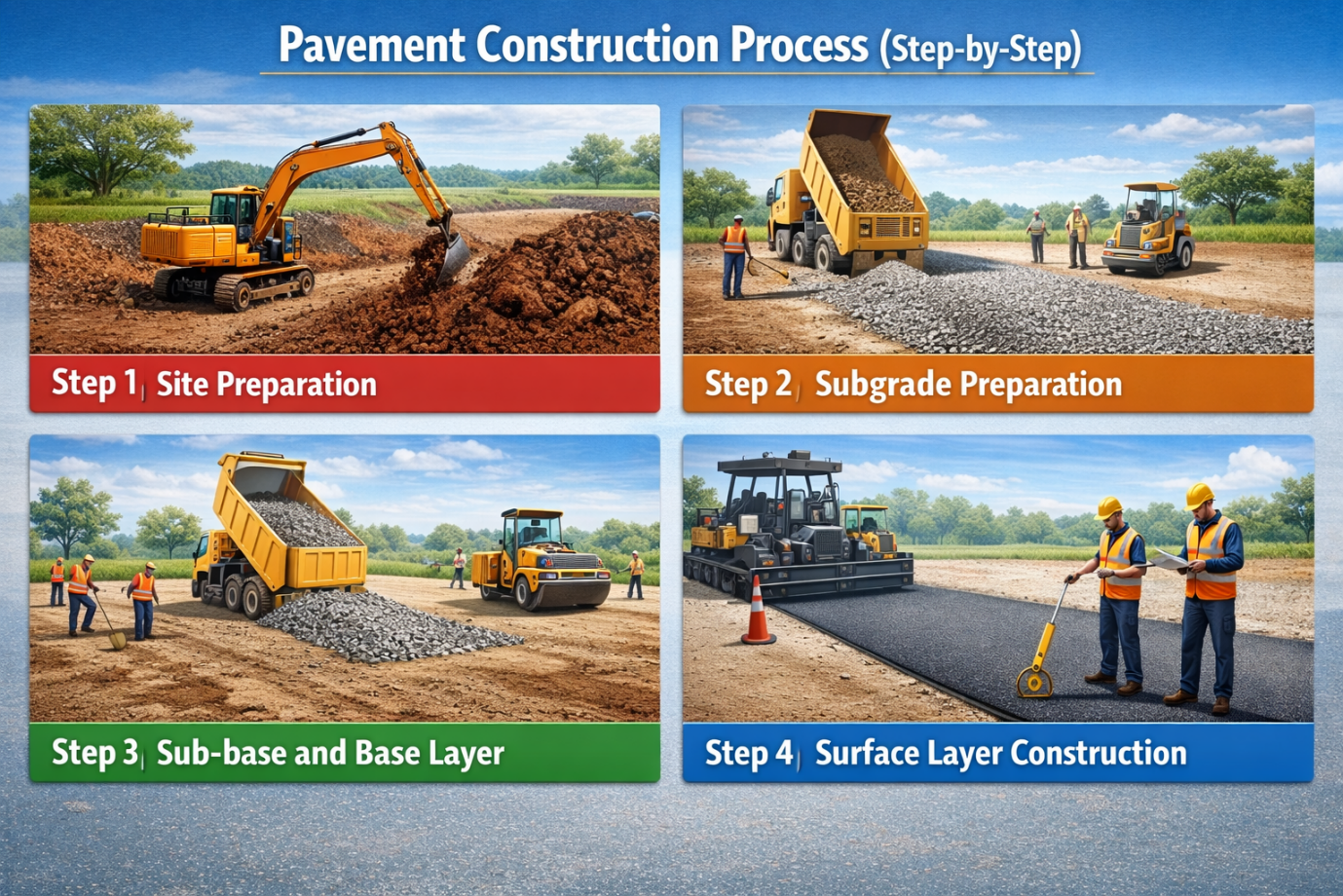
Pavement Construction Process
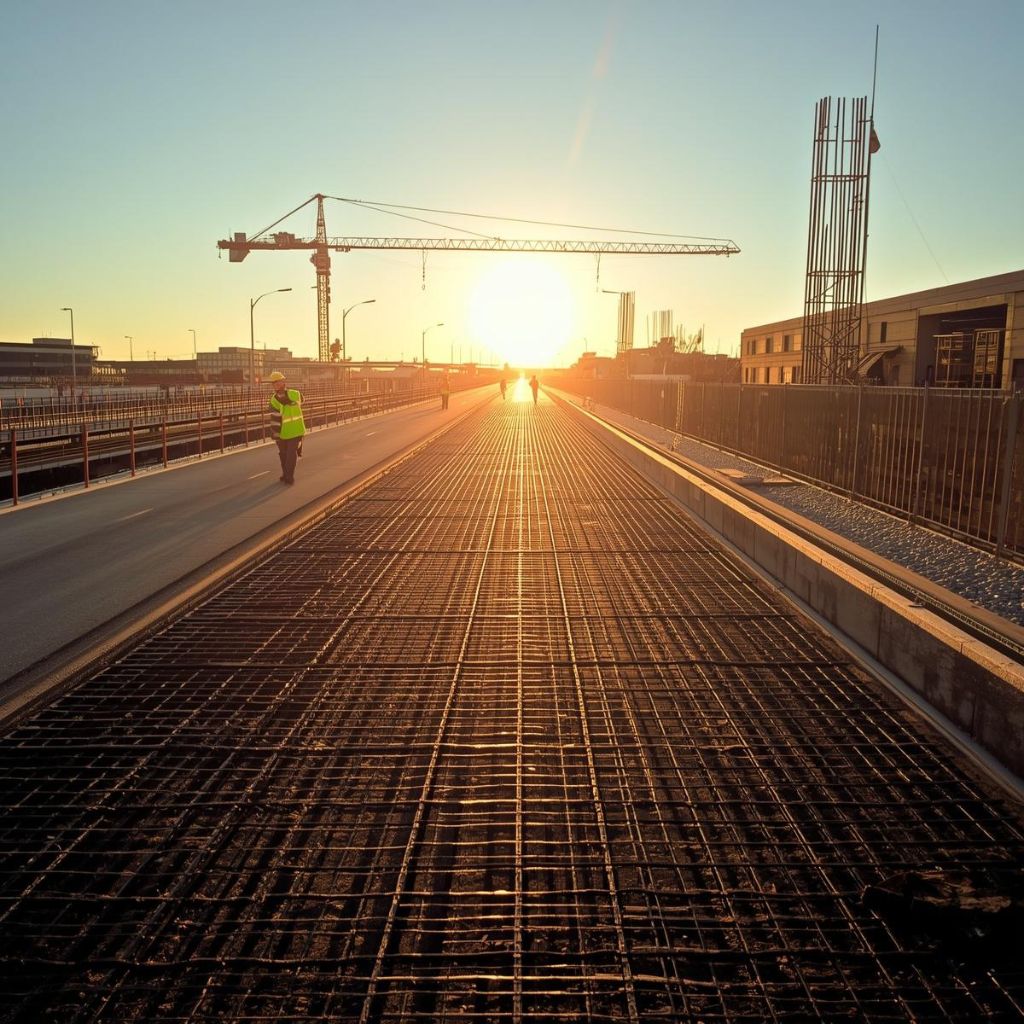
- Step 1: Site Preparation. Clearing, leveling, and soil stabilization.
- Step 2: Subgrade Preparation. Compaction and grading of the foundation soil.
- Step 3: Sub-base and Base Layer. Laying granular material with proper compaction.
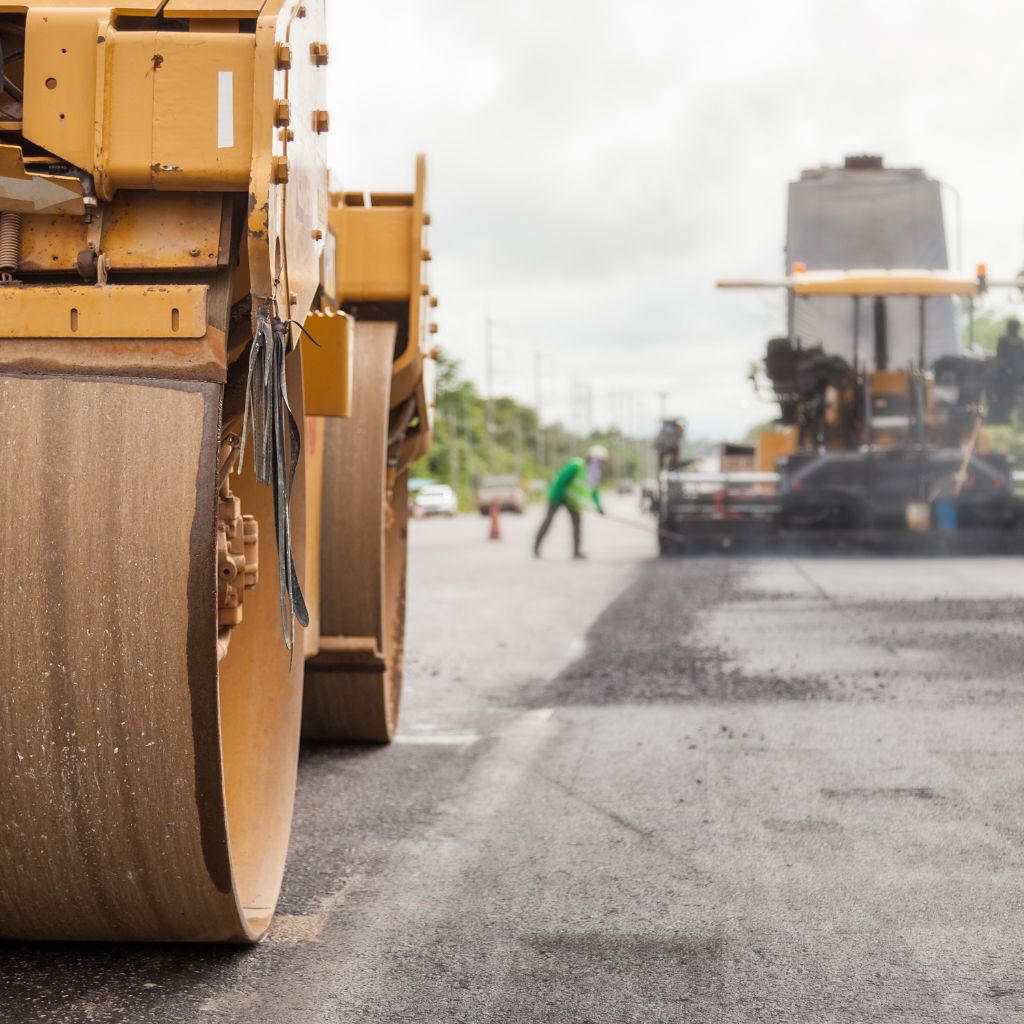
- Step 4: Surface Layer Construction. Asphalt laying or concrete pouring.
- Step 5: Finishing and Quality Check. Smoothness testing, thickness checks, and compaction checks.
Quality Control
At Shreeyash Construction, we ensure strict quality checks throughout pavement work.
- Material testing for aggregates, bitumen, and concrete
- Density tests, including Field Density Test
- Core cutting for thickness verification
- Surface evenness checks
Modern Techniques
- Hot Mix Plant technology for asphalt
- Ready Mix Concrete (RMC) for rigid pavement
- Geotextiles for soil stabilization
- Recycling of old pavements (RAP)
- Smart compaction equipment
Why Choose Shreeyash Construction?
We provide end-to-end road construction solutions, modern machinery, skilled workforce, timely project execution, and services across Mumbai, Navi Mumbai, Raigad, Thane, and Pune.
Conclusion
Pavement construction is a technical yet essential process that forms the backbone of modern infrastructure. From soil testing to final surface finishing, every step plays a critical role in ensuring durability and performance.
Whether it is a small internal road or a large highway project, choosing the right type of pavement and following proper construction techniques is key to long-term success.
If you are looking for reliable pavement construction services, Shreeyash Construction is your trusted partner for delivering quality, strength, and performance.